It’s a fantastic question, and one that every smart business owner should be asking. But here’s the honest truth, right off the bat: there’s no magic, one-size-fits-all number. It’s not like buying a loaf of bread where the price is clearly marked. Instead, it’s more like baking that bread – many ingredients go into the final product, and each one affects the taste (or in this case, the price!).
I get it. You’ve poured your heart and soul into building your dream. The last thing you want is to be caught off guard by an unexpected lawsuit, a natural disaster, or even just a silly accident. Insurance is that safety net, that peace of mind, that allows you to focus on what you do best: growing your business. So, let’s peel back the layers and understand what influences these costs, and how you can get the best value for your hard-earned money.
Why Small Business Insurance Isn’t Just an Expense, It’s an Investment
Before we dive into numbers, let’s quickly touch on *why* this matters so much. From my experience, many small business owners initially see insurance as another bill. But I’ve seen firsthand how it saves businesses from financial ruin. Imagine a client slipping and falling in your shop, or a data breach exposing sensitive customer information. Without the right coverage, these incidents could literally shut your doors. It’s not just about protecting your assets; it’s about protecting your future, your dreams, and your livelihood.
The Big Question: How Much Does Small Business Insurance Really Cost? (The “It Depends” Answer)
Alright, let’s tackle the elephant in the room. As I said, there’s no single price tag. The average small business insurance cost 2025 (or any year, for that matter) is truly just an average, a benchmark. Your specific cost will depend on a unique blend of factors. Think of it like a personalized suit – tailored just for your business.
Key Factors Influencing Your Insurance Cost
Understanding these elements is your first step to getting a fair quote and making an informed decision:
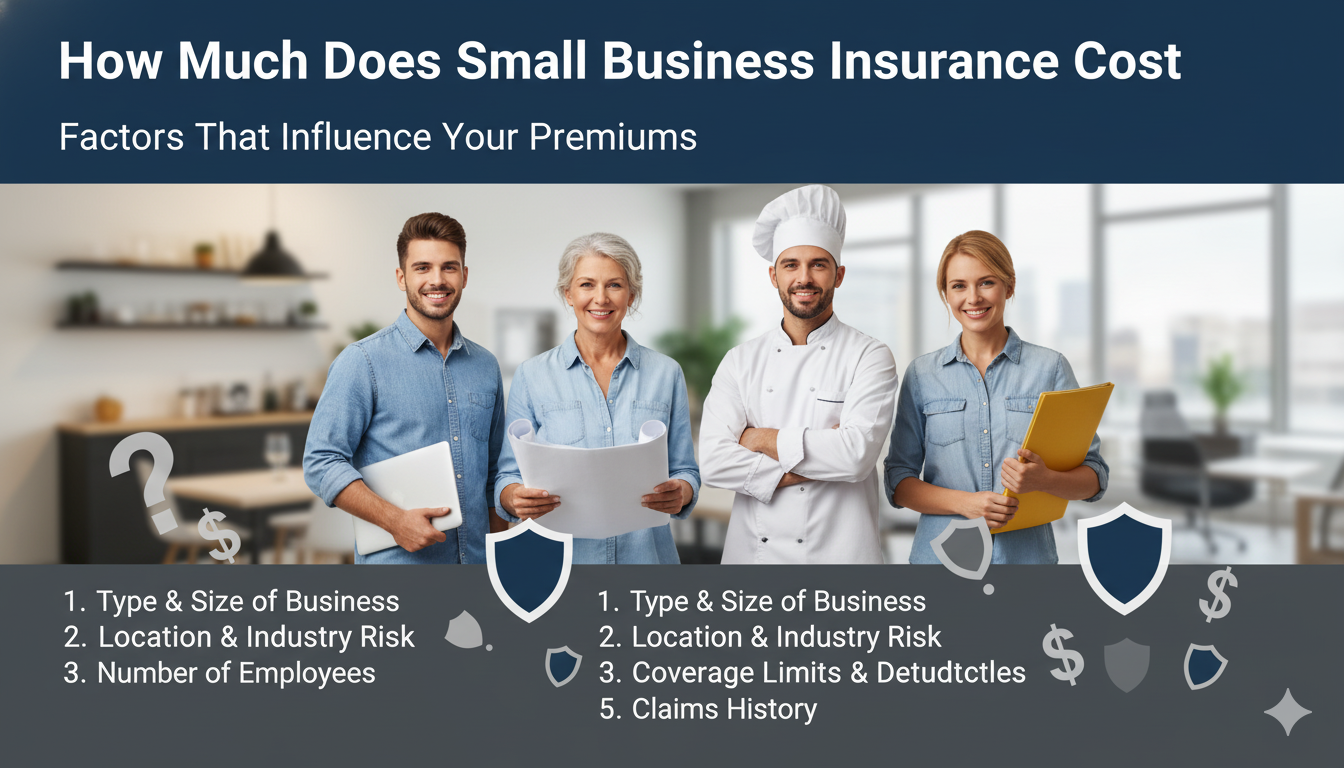
- Your Industry & Risk Level: This is a huge one. A freelance graphic designer working from home faces very different risks than a roofing contractor or a bustling restaurant. High-risk industries (construction, food service, manufacturing) will naturally have higher premiums than low-risk ones (consulting, tech startups).
- Your Location: Where your business operates plays a role. Areas prone to natural disasters (hurricanes, earthquakes) or with higher crime rates might see higher property insurance costs. Even workers compensation insurance rates by state can vary significantly due to state-specific regulations and claim histories.
- Number of Employees: More employees generally means more risk, especially when it comes to workers’ compensation and general liability. Each employee adds a potential point of contact for an accident or a claim.
- Your Claims History: Just like with auto insurance, a history of past claims can signal higher risk to insurers, leading to increased premiums. A clean claims record, however, can often earn you discounts.
- Coverage Limits & Deductibles: The higher your coverage limits (the maximum amount the insurer will pay out) and the lower your deductible (what you pay before insurance kicks in), the higher your premium will generally be. Finding the right balance here is key.
Common Types of Small Business Insurance & Their Costs
Now, let’s look at the specific types of coverage you’ll likely encounter and what you might expect to pay. Keep in mind, these are *average estimates* and can fluctuate wildly based on the factors above.
General Liability Insurance Cost
This is often the first policy any business owner thinks about. It protects you from claims of bodily injury, property damage, and advertising injury to third parties. Think of it as your primary shield.
- What it covers: Slip-and-falls, damage to a client’s property, libel/slander.
- Average Cost: Most small businesses can expect to pay anywhere from $300 to $1,000 per year for a policy with a $1 million limit. For an LLC, liability insurance cost is a crucial consideration, and general liability is often a baseline.
- Shah Rukh’s Insight: “I once had a small café owner whose awning fell on a parked car during a storm. General Liability saved them thousands in repair costs and potential lawsuits. It’s non-negotiable for most businesses that interact with the public.”
Professional Liability (E&O) Insurance Cost
Also known as Errors & Omissions (E&O) insurance, this is vital for service-based businesses. It protects you if a client claims you made a mistake, gave bad advice, or failed to perform a service adequately, leading to financial loss for them.
- What it covers: Negligence, errors, omissions, misrepresentation, malpractice.
- Average Cost: This can vary widely. Professional liability insurance cost for consultants might be $500-$2,000 annually, while malpractice insurance cost for small business (like a small medical practice) could be significantly higher ($1,000-$5,000+). Errors and omissions insurance cost for an IT firm could be in the $700-$2,500 range.
- Shah Rukh’s Insight: “A web designer friend of mine accidentally crashed a client’s website right before a big product launch. E&O was their saving grace, covering the client’s lost revenue and the legal fees to sort it out. If you offer advice or services, you absolutely need this.”
Workers’ Compensation Insurance Cost
If you have employees (even one!), this is usually legally required. It provides wage replacement and medical benefits to employees injured on the job, in exchange for relinquishing the employee’s right to sue their employer for negligence.
- What it covers: Employee medical bills, lost wages due to work-related injuries or illnesses.
- Average Cost: Highly dependent on your industry’s risk level and workers compensation insurance rates by state. It’s often calculated per $100 of payroll. For example, a low-risk office might pay $0.75 per $100 of payroll, while a high-risk construction business could pay $10-$20 per $100.
Business Owner’s Policy (BOP) Cost
A BOP is a fantastic option for many small businesses. It bundles General Liability and Commercial Property insurance into one convenient, often more affordable, package.
- What it covers: General liability claims AND damage to your business property (building, equipment, inventory) from covered perils like fire, theft, or storms.
- Average Cost: A typical business owners policy cost for a small retail shop or office can range from $500 to $2,000 per year.
- Shah Rukh’s Insight: “Think of a BOP as a combo meal – you get more for less! It’s what I recommend to almost every brick-and-mortar small business because it covers the two biggest risks in one go.”
Commercial Auto Insurance Cost
If you or your employees use vehicles for business purposes (deliveries, client visits, hauling equipment), you need this. Your personal auto policy won’t cut it.
- What it covers: Accidents involving vehicles used for business, bodily injury, property damage, vehicle theft.
- Average Cost: Commercial auto insurance cost can range from $1,200 to $2,500+ per year per vehicle, depending on the type of vehicle, driving records, and usage.
Cyber Liability Insurance Cost
In our digital age, this is becoming non-negotiable, even for the smallest businesses. It protects you from the financial fallout of data breaches and cyber attacks.
- What it covers: Data breach notification costs, credit monitoring, legal fees, regulatory fines, public relations, business interruption from a cyber attack.
- Average Cost: Cyber liability insurance cost can range from $750 to $2,000+ per year for smaller businesses, but can quickly escalate based on the volume of sensitive data you handle.
Specialty Insurances (Examples)
Some industries have unique needs:
- Restaurant Business Insurance Cost: Restaurants often need a comprehensive package including general liability, property, workers’ comp, and sometimes liquor liability or spoilage coverage. Expect to pay anywhere from $1,500 to $10,000+ annually, depending on size, location, and services.
- Contractor Insurance Cost Estimate: Contractors typically need general liability, workers’ comp, commercial auto, and sometimes builder’s risk. A small contractor might pay $800 to $5,000+ per year, again, depending heavily on their specific trade and number of employees.
Practical Tips to Manage & Reduce Your Small Business Insurance Cost
Feeling a bit overwhelmed? Don’t be! There are smart ways to get the coverage you need without breaking the bank.
- Bundle Policies with a BOP: As mentioned, combining general liability and property insurance often leads to discounts compared to buying them separately.
- Implement Risk Management Strategies: Show insurers you’re proactive! This could mean having robust safety protocols, cybersecurity measures, or regular employee training. For example, a restaurant with excellent hygiene practices might get a better rate.
- Choose Higher Deductibles: If you can afford to pay a bit more out-of-pocket for a claim, raising your deductible will lower your premium. Just make sure it’s an amount you’re comfortable with.
- Shop Around (Seriously!): This is probably my #1 tip. Don’t just go with the first quote. Use services to small business insurance quotes online and compare business insurance rates from multiple providers. Prices and coverage can vary significantly.
- Pay Annually: Many insurers offer a discount if you pay your premium in one lump sum rather than monthly installments.
- Regularly Review Your Policies: Your business evolves, and so should your insurance. Annually review your coverage with your broker to ensure it still meets your needs and to look for new discounts.
So, What’s a Realistic Expectation?
While definitive numbers are tricky, to give you a very rough idea of the average small business insurance cost 2025 (anticipating slight increases due to inflation and market shifts), here’s a general snapshot for a small, low-to-medium risk business (e.g., consultant, small retail, small service provider) with minimal employees:
You might be looking at a total annual cost ranging from $600 to $3,000+ per year for essential coverages like a BOP (General Liability + Property) and possibly Professional Liability. Add workers’ comp if you have employees, and commercial auto if you use vehicles, and this number will climb. High-risk businesses will naturally fall into a higher range.
Here’s a simple table to illustrate typical annual ranges for common policies:
| Insurance Type | Typical Annual Cost Range (Estimates) | What It Generally Covers |
|---|---|---|
| General Liability | $300 – $1,000 | Third-party injury, property damage, advertising injury |
| Professional Liability (E&O) | $500 – $2,500 | Errors, omissions, negligence in services |
| Workers’ Compensation | Varies widely by payroll & state | Employee injury/illness on the job |
| Business Owner’s Policy (BOP) | $500 – $2,000 | General Liability + Commercial Property |
| Commercial Auto (per vehicle) | $1,200 – $2,500+ | Accidents involving business vehicles |
| Cyber Liability | $750 – $2,000+ | Data breaches, cyber attacks |
*Note: These are broad estimates. Your actual costs will vary significantly based on your specific business.
My Personal Take (Shah Rukh’s Honest Advice)
From my years of experience, the biggest mistake small business owners make isn’t overpaying for insurance; it’s being underinsured or having no insurance at all. I’ve seen promising businesses collapse because one unforeseen event hit them without a safety net. Don’t let that be you.
It can feel like a daunting task, another item on your already overflowing to-do list. But please, don’t just pick the cheapest option without understanding what you’re actually getting. The peace of mind that comes from knowing your hard work is protected is truly priceless. It allows you to sleep better at night and focus your energy on what you love – running your business.
Conclusion & Your Next Step
Hopefully, this guide has demystified the question of “How much does small business insurance cost?” a little bit. It’s complex, yes, but entirely manageable with the right approach.
Your journey to smart, affordable small business insurance starts with understanding your needs. Don’t hesitate to reach out to a trusted insurance broker who understands small businesses. They can help you assess your risks, navigate the different policy types, and secure comprehensive coverage that fits your budget.
Ready to get started? Many online platforms offer a great starting point where you can use a small business insurance cost calculator or get small business insurance quotes online quickly. It’s an easy way to compare options and see what’s available for your unique business. Take that first step today – your future self will thank you!