
Are You 13+ Years Old?
Hey there, my friend! Shah Rukh here, your guide to all things health, wellness, and finding that perfect balance in life. If there’s one topic that’s close to my heart these days, it’s the well-being of people in the workplace. We spend so much of our lives at work, don’t we? And let’s be honest, it can be a jungle out there sometimes!
We’ve all felt it – that nagging stress, the pressure to perform, the struggle to switch off after hours. It’s a real thing, and it impacts not just us, but our teams, our companies, and ultimately, our happiness. That’s why today, I want to talk to you about something truly transformative: corporate mental health software and how it’s becoming an absolute game-changer for businesses looking to truly care for their people.
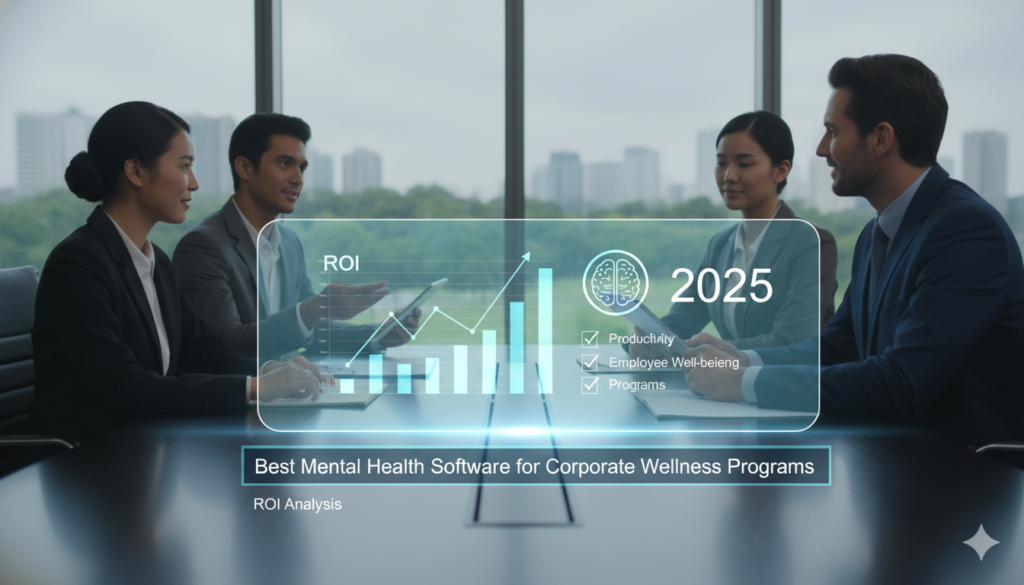
We’re not just talking about being “nice” anymore; we’re talking about smart business. We’ll dive into the 2025 ROI analysis, the practical features, and why investing in employee mental health is one of the best decisions you can make. So, grab a cup of tea, relax, and let’s explore how to create a healthier, happier, and more productive workplace together!
Why Your Company Needs a Mental Health Lifeline (More Than Ever!)
Remember that feeling when you’re just… *done*? That’s what a lot of people are quietly experiencing. The world has sped up, and the lines between work and home have blurred, especially with remote work becoming the norm. This isn’t just about a bad day; it’s about a systemic issue that impacts us all.
The Silent Struggle: Understanding Workplace Burnout
I’ve seen it firsthand, in my own life and in the lives of countless professionals I’ve worked with. The constant demands, the pressure to be “always on” – it leads to something we call workplace burnout prevention tools are desperately needed for. Burnout isn’t just exhaustion; it’s a deep cynicism about work, reduced efficacy, and a sense of detachment. It’s soul-crushing.
- Shah Rukh’s Insight: I once pushed myself so hard, thinking “just one more project, one more deadline.” My body and mind eventually screamed, “Enough!” It taught me that self-care isn’t a luxury; it’s a necessity. Companies need to help their employees learn this too.
The Cost of Doing Nothing: Beyond Just Dollars
When employees burn out, they leave. Or worse, they stay but are disengaged, affecting team morale and productivity. This leads to significant financial drains for companies, whether they realize it or not. We’re talking about massive workplace mental health benefits cost, often hidden in:
- Increased absenteeism and presenteeism (being physically present but mentally checked out).
- High employee turnover costs, which include recruitment, onboarding, and lost productivity.
- Decreased creativity and innovation.
- More errors and lower quality of work.
It’s clear: ignoring mental health isn’t just unkind; it’s bad for business. But here’s the good news: there’s a powerful solution on the horizon, if not already at your fingertips!
What Exactly is Corporate Mental Health Software?
So, what are we talking about here? Think of corporate mental health software as a modern, accessible, and often personalized toolkit designed to support your employees’ emotional and psychological well-being. It’s not just a fancy app; it’s a strategic investment in your human capital.
Unlike traditional, often underutilized Employee Assistance Programs (EAPs), these platforms are built for the digital age. They offer a range of services, from proactive support to crisis intervention, all designed to be user-friendly and confidential. We’re talking about sophisticated tech-enabled behavioral health solutions.
- Shah Rukh’s Insight: Many years ago, EAPs were often just a hotline number tucked away in an HR binder. People were hesitant to use them due to stigma or simply forgetting they existed. Today’s platforms are a different beast entirely – they’re engaging, integrated, and designed to normalize seeking support. It’s a huge shift, and a very welcome one!
These solutions often include features like personalized resilience training, stress management tools, access to licensed therapists, and even guided meditation. They bridge the gap between needing help and actually getting it, making mental health support part of the everyday employee experience.
Picking the Right Partner: Essential Features for 2025
Alright, you’re convinced. You want to explore enterprise mental health solutions. But with so many corporate wellness vendors out there, how do you choose? Focus on platforms that truly deliver value and align with your corporate mental health strategy 2025. Here’s what to look for in the best employee wellness platforms 2025:
Key Employee Well-being Software Features:
- Personalized Support: Look for platforms that offer tailored resources, from self-help modules to one-on-one sessions. This includes access to qualified therapists and executive mental health coaching for leadership.
- Privacy and Security: This is paramount. Employees need to trust that their data and sessions are completely confidential. Look for HIPAA-compliant solutions.
- Ease of Use & Accessibility: The best b2b mental health apps are intuitive and easily accessible across devices. If it’s clunky, people won’t use it.
- Data & Analytics: A robust platform should offer anonymized, aggregate data that helps you in measuring workplace wellness success and identifying trends without compromising individual privacy. This is crucial for demonstrating ROI.
- Support for Diverse Teams: Ensure it caters to your entire workforce, including mental health platforms for remote teams, offering multilingual support if necessary.
- Integration Capabilities: Can it integrate with your existing HR systems? A good hr wellness software comparison will highlight platforms that offer seamless integration, simplifying mental health benefits management.
- Proactive Tools: Beyond reactive support, look for features like corporate resilience training software and effective employee stress management solutions that equip employees with coping mechanisms before they reach a crisis point.
- Modern EAP Providers: Many traditional EAPs have evolved. Look for those that offer expanded digital access, a wider range of services, and better engagement strategies. These are often integrated into the newer software.
The Million-Dollar Question: Calculating Your Corporate Wellness Program ROI
Now, let’s talk numbers. Because while empathy is wonderful, your leadership team will want to see the tangible benefits. Demonstrating a clear corporate wellness program roi is essential for securing budget and proving the value of investing in employee mental health. It’s not magic; it’s methodical.
Hard vs. Soft ROI: Seeing the Full Picture
When calculating wellness program return on investment, you’ll want to look at both the direct and indirect benefits:
- Hard ROI (Measurable Financials):
- Reduced Employee Turnover Costs: Lower attrition means less spent on recruitment and training.
- Decreased Healthcare Costs: Healthier employees make fewer claims over time.
- Reduced Absenteeism & Presenteeism: Employees are more consistently engaged and productive.
- Soft ROI (Impact on Culture & Performance):
- Improved employee engagement platforms scores and morale.
- Enhanced productivity and innovation.
- Stronger employer brand reputation, attracting top talent.
- Better team cohesion and communication.
To give you a clearer idea, here’s a simplified example of how investing in a robust mental health platform can impact a company over time:
| Metric | Before Mental Health Program | After Implementing Program (Estimated) | Potential Savings/Gains (Annual) |
|---|---|---|---|
| Employee Turnover Rate | 20% | 15% | Significant (e.g., $1,500 – $3,000 per avoided turnover) |
| Absenteeism Rate (per employee) | 8 days/year | 6 days/year | 2 days/year x avg. daily wage |
| Presenteeism (Productivity Loss) | ~30% | ~20% | Boost in output, difficult to quantify directly but impactful |
| Healthcare Claims related to stress/anxiety | High | Moderate reduction | Indirect savings on insurance premiums |
| Employee Engagement Score | 60% | 75% | Improved morale, retention, and innovation |
(Note: These are illustrative figures. Actual ROI will vary based on company size, industry, and program implementation.)
My Honest Take: What I’ve Learned
From my journey in health and wellness, I’ve come to understand that real change starts with genuine care. Many companies focus on physical wellness – gym memberships, healthy snacks – which is great! But mental health? It’s often overlooked, seen as too personal or too difficult to address. This is where digital employee assistance programs and comprehensive platforms shine.
I’ve seen companies transform when they genuinely commit to their employees’ mental well-being. It’s not just about a line item in the wellness program budget 2025; it’s about fostering a culture where it’s okay not to be okay, and where support is readily available. The shift from a reactive “fix-it” approach to a proactive “prevent-it” mindset is what truly differentiates leading organizations.
“A thriving team is a team that feels supported, valued, and understood. Mental health software isn’t just a tool; it’s a statement of care.” – Shah Rukh
When you provide access to tools like corporate resilience training software or easy-to-use employee stress management solutions, you’re empowering your people. You’re giving them the power to take control of their well-being, which in turn, makes them better, happier, and more dedicated employees. It’s a win-win, trust me.
Moving Forward: Your 2025 Corporate Mental Health Strategy
So, what’s your next step? Begin by evaluating your current employee well-being landscape. Understand the specific challenges your team faces. Then, start researching potential corporate wellness vendors and modern EAP providers that align with your organizational values and goals. Remember, this isn’t a one-size-fits-all solution.
Consider piloting a program with a smaller team to gather feedback and refine your approach. Focus on clear communication to destigmatize mental health support and encourage utilization. Your corporate mental health strategy 2025 should be about continuous improvement and genuine commitment.
This journey isn’t just about spreadsheets and metrics; it’s about building a workplace where every single person feels they can thrive. It’s about recognizing that our greatest asset isn’t our technology or our products, but our people.
Investing in their mental health is investing in your company’s future, in its resilience, and in its soul. And that, my friend, is an investment that truly pays off, both in heart and in hard numbers.
Ready to build a healthier, happier workplace? Start exploring enterprise mental health solutions today!