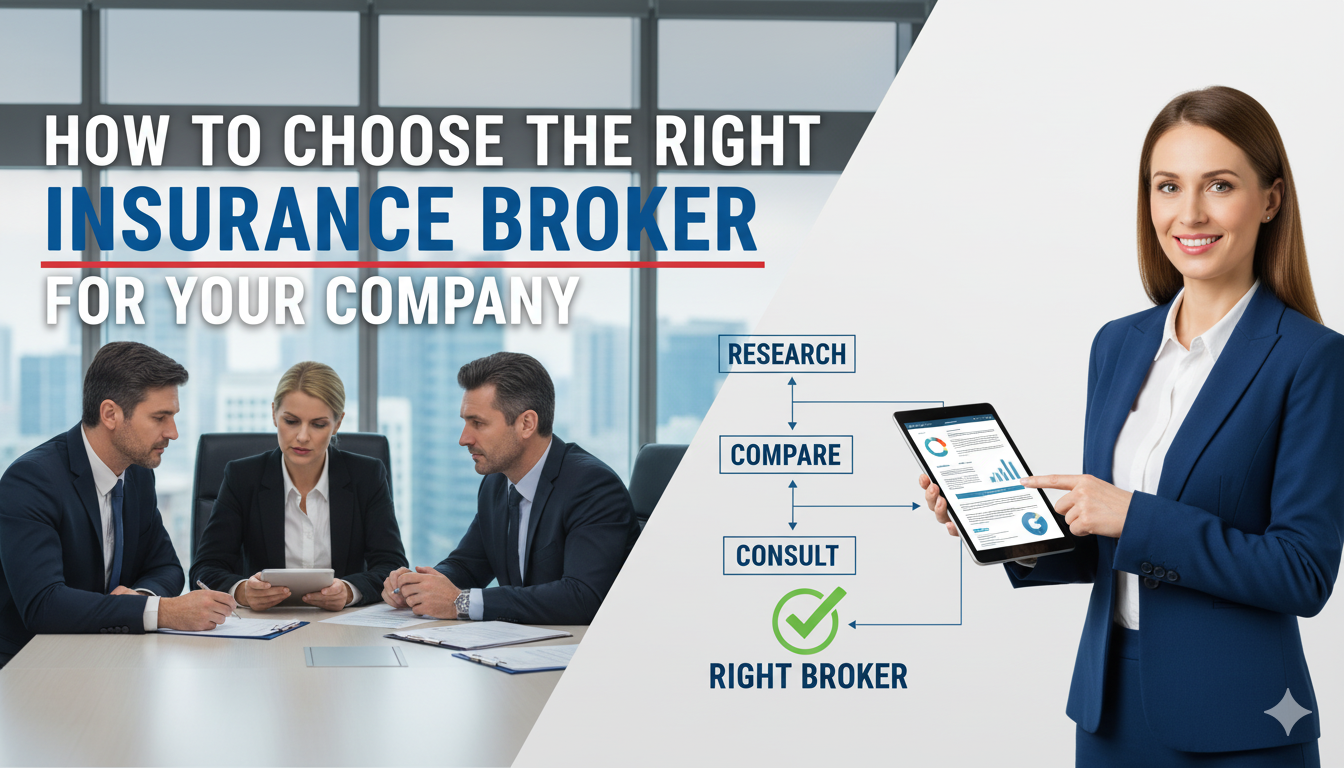
Hey there, fellow entrepreneur! Shah Rukh here, and if you’re reading this, chances are you’re either just starting out on your amazing business journey, or you’re looking to level up your existing venture. Either way, you’ve hit a crucial crossroads: navigating the often-confusing world of business insurance. And trust me, it can feel like a maze!
I get it. When I first started, the sheer number of policies, terms, and acronyms made my head spin. I’ve seen businesses thrive because they were properly protected, and I’ve unfortunately seen others crumble because they overlooked a critical piece of coverage. That’s why choosing the right insurance broker for your company isn’t just a good idea; it’s a strategic necessity.
Think of an insurance broker not just as someone who sells you policies, but as your expert guide, your advocate, and your long-term partner in protecting your dreams. They’re the ones who translate all that complex jargon into plain English and help you get the coverage you actually need. So, let’s talk about how to find that perfect partner, shall we?
Why You Absolutely Need a Great Insurance Broker (Not Just Any Broker!)
You might be thinking, “Can’t I just Google ‘small business insurance quotes‘ and buy direct?” Sure, you can. But that’s like trying to build a custom house by just watching YouTube videos and buying materials from the hardware store. You might get something up, but will it be structurally sound, up to code, and truly fit your unique needs?
More Than Just a Middleman: The Broker’s Real Value
A great business insurance broker, especially a seasoned commercial insurance broker, is far more than just a middleman. They are specialists who understand the intricate landscape of risk. Here’s what they bring to the table:
- Access to Multiple Insurers: Unlike captive agents who work for one company, independent brokers work with a network of the best commercial insurance companies. This means they can shop around for you, comparing different policies and business insurance rates to find the best fit and value. This is huge when you want to compare business insurance quotes effectively.
- Expertise on Complex Policies: Do you know the difference between professional liability insurance and errors and omissions insurance? Or when you need directors and officers insurance versus just a standard general liability insurance for business? Your broker does! They’ll help you understand the nuances, ensuring you’re not over-insured in one area and dangerously under-insured in another.
- Risk Assessment & Tailored Solutions: Every business is unique. A good broker will take the time to understand your specific operations, potential risks, and future plans. For instance, a tech startup has different needs than a manufacturing plant. They’ll help identify crucial coverages like cyber liability insurance for online businesses or product liability insurance for companies selling physical goods.
In my early days, I once tried to go it alone and ended up with a policy that barely covered half of what my business actually needed. It was a stressful lesson learned the hard way. A good broker would have spotted those gaps immediately.
Saving You Time, Money, and Headaches
Let’s be honest, you’ve got a business to run! Researching different insurance policies, deciphering legal speak, and filling out endless forms can eat up valuable time. Your broker handles all of that. They negotiate on your behalf, simplify the process, and when a claim arises (because sometimes, things just happen), they become your advocate, helping you navigate the process.
Shah Rukh’s Top 5 Tips: How to Find Your Perfect Commercial Insurance Broker
Alright, so you’re convinced you need one. Now, how do you find the right one? Here are my top tips, distilled from years of experience:
1. Specialization Matters: Do They Speak Your Industry’s Language?
This is probably my number one tip. You wouldn’t go to a heart surgeon for a foot injury, right? The same applies to insurance. Look for a commercial insurance broker or corporate insurance agents who have specific experience with businesses in your industry.
- If you’re a builder, you need someone who understands contractor insurance quotes, specific liability for job sites, and perhaps even public liability insurance.
- If you’re launching a tech company, they should be well-versed in startup business insurance and critical coverages like errors and omissions insurance and cyber liability insurance.
- A transport company needs expertise in commercial auto insurance quotes and potentially fleet insurance quotes.
Ask them about other clients they have in your field. This shows they understand your unique risks, from needing professional indemnity insurance for consultants to trade credit insurance for businesses extending credit.
2. Experience and Reputation: Are They Trustworthy?
Do your homework! Look for a commercial insurance agency near me that has been around for a while and has a solid track record. Check online reviews, ask for testimonials, and don’t hesitate to ask for references from other business owners. A broker with a strong reputation for integrity and excellent service is invaluable. You’re entrusting them with your business’s financial security.
3. What Services Do They Offer Beyond Just Selling Policies?
A truly great broker offers more than just policy sales. They provide ongoing value. Ask about:
- Risk Management Advice: Do they help you identify and mitigate risks to potentially lower your premiums?
- Claims Assistance: How involved are they when you need to make a claim? Do they just hand you a number, or do they actively guide you through the process, advocating on your behalf?
- Policy Reviews: How often do they review your policies to ensure they still meet your evolving needs? Your business grows, and so should your insurance!
- Education: Are they willing to explain complex terms like key person insurance or the ins and outs of a business owner’s policy (BOP)?
My best broker has always been proactive, checking in, updating me on new regulations, and ensuring my liability insurance for LLC was always up to date. That’s a partnership, not just a transaction.
4. Understanding the Broker’s Business Model: Independent vs. Captive
It’s important to understand the different types of brokers you might encounter. Here’s a quick comparison:
| Feature | Independent Broker | Captive Agent |
|---|---|---|
| Insurers Represented | Works with multiple insurance companies. | Works for a single insurance company (e.g., State Farm, Allstate). |
| Policy Options | Offers a wider range of policies and can shop for the best rates and coverage across the market. | Limited to the products and pricing of their specific company. |
| Objectivity | Generally more objective, focused on finding the best fit for the client. | Bound by the offerings of their employer, may not always be the absolute best fit for every client. |
| Client Advocacy | Strong client advocate, especially during claims, as they’re not tied to one insurer. | Can assist with claims, but their primary loyalty is to their employer. |
| Best For | Businesses seeking comprehensive options, competitive pricing, and tailored solutions. | Clients who prefer the simplicity of one-stop shopping and are loyal to a specific brand. |
For most businesses, especially those with unique risks, an independent commercial insurance broker is often the better choice because they can truly find the best fit from a wider pool of options, from commercial property insurance to group health insurance for small business.
5. Communication and Accessibility: Can You Actually Talk to Them?
This might seem basic, but it’s vital. When you have a question, or more importantly, when you need to file a claim, you need to know you can reach your broker. How responsive are they? Do they prefer email, phone, or in-person meetings? Choose someone whose communication style aligns with yours. Nothing is more frustrating than needing urgent help and not being able to get a hold of your insurance partner.
What Kind of Business Insurance Should Your Broker Be Talking About? (A Checklist)
While your broker will tailor recommendations to your specific business, here’s a quick overview of essential and specialized policies you should be discussing. This isn’t an exhaustive list, but it gives you a good starting point:
The Essentials for Almost Every Business
- General Liability Insurance for Business (Public Liability Insurance): Protects against claims of bodily injury or property damage to others caused by your business operations. An absolute must-have.
- Commercial Property Insurance: Covers your business’s physical assets, like buildings, equipment, and inventory, from perils like fire, theft, and natural disasters.
- Workers Compensation Insurance Quotes: Required in most states if you have employees. Covers medical costs and lost wages for employees injured on the job.
- Commercial Auto Insurance Quotes: If your business uses vehicles, this covers damages and liabilities related to them. This can also extend to fleet insurance quotes for multiple vehicles.
- Business Owner’s Policy (BOP): Often a great starting point for small businesses, as it bundles general liability, commercial property, and business interruption insurance into one convenient policy.
- Business Interruption Insurance: Crucial! If your business has to close temporarily due to a covered event (like a fire), this helps replace lost income and cover ongoing expenses. I’ve seen this save businesses from total collapse.
Beyond the Basics: Protecting Against Specific Risks
- Professional Liability Insurance / Professional Indemnity Insurance: Essential for service-based businesses (consultants, IT professionals, marketing agencies). Protects against claims of negligence, errors, or omissions in your professional services. Often called errors and omissions insurance.
- Cyber Liability Insurance: With data breaches becoming so common, this covers costs associated with a cyberattack, including data recovery, legal fees, and notification costs.
- Directors and Officers Insurance (D&O): Protects the personal assets of your company’s directors and officers against lawsuits alleging wrongful acts in their management capacity.
- Commercial Umbrella Insurance: Provides an extra layer of liability protection above your existing general liability, commercial auto, and employer’s liability limits.
- Key Person Insurance: If your business relies heavily on one or a few individuals, this policy provides a payout if a vital “key person” passes away or becomes disabled, helping the business recover.
- Trade Credit Insurance: Protects against the risk of non-payment for goods or services.
- Product Liability Insurance: If you manufacture, distribute, or sell physical products, this protects you if a product causes injury or damage.
- Liability Insurance for LLC: While an LLC provides some personal asset protection, specific liability policies are crucial to protect the business itself from various claims.
- Group Health Insurance for Small Business: If you plan to offer benefits to your employees, a broker can help you navigate the complex world of group health plans.
Asking the Right Questions: Your Broker Interview Checklist
When you interview potential commercial insurance brokers, don’t be shy! Here are some questions to get you started:
- How long have you been an insurance broker, and what’s your specialty?
- What types of businesses do you typically work with, especially in my industry?
- Which insurance carriers do you primarily work with for businesses like mine?
- How do you stay updated on changes in insurance laws and products relevant to my business?
- Can you walk me through your process for assessing my company’s needs and recommending policies?
- What are your fees, and how are you compensated? (Brokers are typically paid by commission from the insurance company, but it’s good to confirm.)
- What’s your process for assisting clients with claims?
- How often do you recommend reviewing our insurance coverage?
- What sets you apart from other corporate insurance agents or agencies?
- Can you provide a few references from clients in my industry?
Conclusion: Your Business Deserves the Best Protection
Choosing the right business insurance broker is one of the most important decisions you’ll make for your company’s long-term health and stability. It’s not just about finding the cheapest policy; it’s about finding the right partner who truly understands your risks, advocates for your interests, and provides peace of mind.
Don’t let the complexity intimidate you. Take your time, do your research, and trust your gut. A great broker will be an invaluable asset, allowing you to focus on what you do best: building your business. You’ve got this, and with the right insurance partner by your side, your entrepreneurial journey will be a much smoother, and safer, ride!
Next Step: Why not start by researching a few independent commercial insurance agencies near me that specialize in your industry? Reach out, ask those questions, and begin building that crucial relationship today!