Hey there, fellow entrepreneur! Shah Rukh here, your friendly neighborhood insurance guru with over five years in the trenches, helping folks just like you navigate the sometimes-confusing world of business protection. You know, I’ve seen it all – from bustling cafes to high-rise construction sites, and one question always comes up: “Shah Rukh, what’s this public liability insurance cost going to set me back?”
It’s a completely fair question, and honestly, it’s one of the first things I wondered about when I started my own ventures. You’re trying to build something amazing, and the last thing you want is a surprise expense or, even worse, a legal claim derailing your dreams. That’s why understanding general liability insurance rates is so crucial. It’s not just a line item; it’s peace of mind, a safety net for your hard work.
Think of it this way: Public Liability Insurance is like having a really good friend who’s always got your back when things go unexpectedly wrong with a third party. Someone slips on a wet floor in your shop, a piece of equipment from your job site damages a client’s property, or perhaps your brilliant marketing campaign accidentally infringes on someone else’s idea (though that’s more professional indemnity, we’ll touch on that!). These incidents can lead to hefty legal fees, compensation claims, and a whole lot of stress. Public liability steps in to cover those costs, protecting your business from financial ruin.
So, you’re probably eager to know: what makes these premiums tick? Let’s dive deep into the factors that affect your public liability insurance cost, so you can walk away with a clear picture and feel confident about getting the right cover.
What Exactly is Public Liability Insurance (and Why You Need It)?
Before we dissect the costs, let’s quickly clarify what we’re talking about. Public Liability Insurance (often bundled into Commercial General Liability Insurance or CGL) covers claims made against your business for injury to a third party or damage to their property, occurring as a result of your business activities. It could be a customer, a supplier, or just a passer-by.
Imagine you run a mobile catering business. You’re at a local fair, and a guest trips over one of your power cables, breaking their wrist. Or, you’re a plumber, and while working on a client’s pipes, you accidentally cause a flood that damages their antique rug. Without public liability insurance, you’d be personally responsible for legal defense costs, medical bills, and potential compensation. That’s a burden no small business owner needs!
The Big Question: What Influences Your Public Liability Insurance Cost?
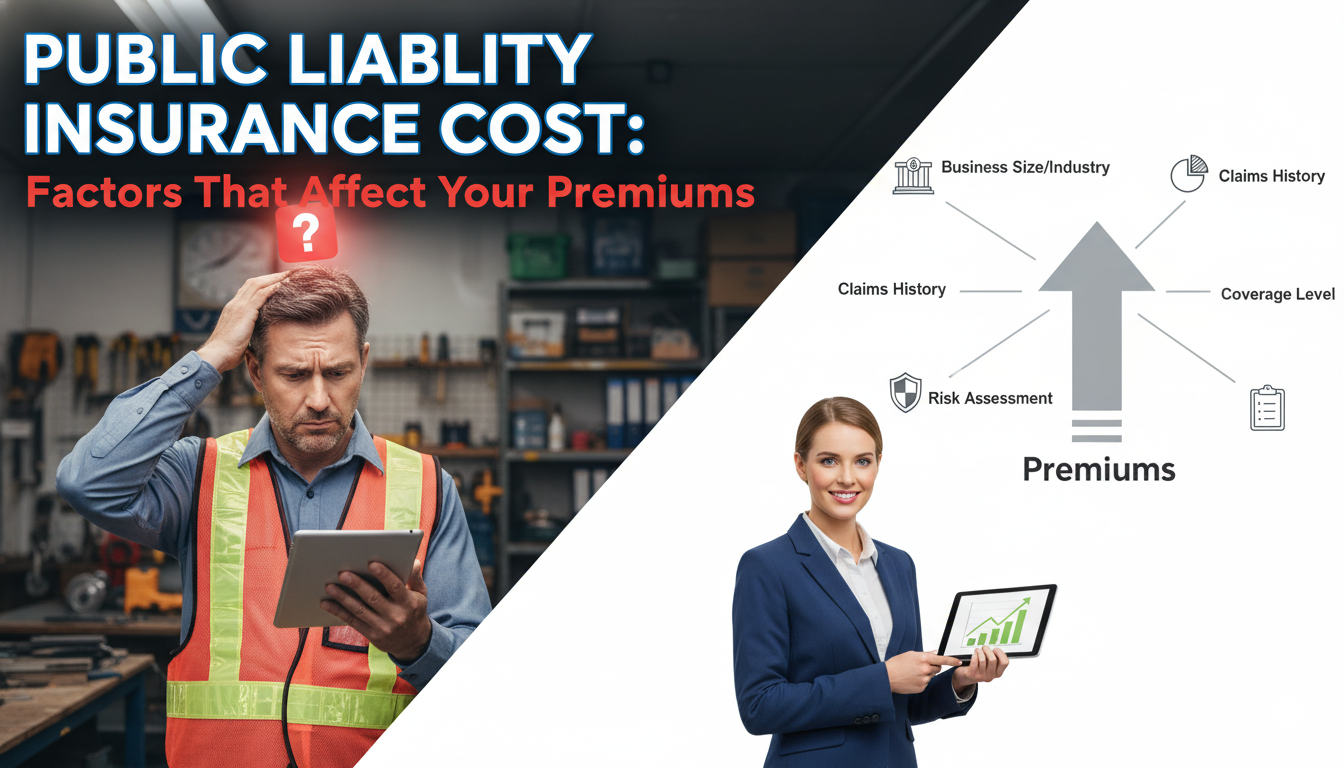
Alright, let’s get down to the nitty-gritty. There isn’t a one-size-fits-all answer to “What’s the average public liability insurance cost?” It’s more like a puzzle with several pieces. Here are the key factors that insurers look at when calculating your premium.
Your Industry and Business Type
This is probably the biggest factor. Insurers assess risk based on your industry. A graphic designer working from home generally faces lower risks than a roofer working at heights, right? That’s why business insurance rates by industry vary wildly.
- High-Risk Industries: Construction, manufacturing, scaffolding, hospitality (especially those serving alcohol), anything involving working with heavy machinery or public interaction in a potentially hazardous environment. For these, the liability insurance for contractors or high-risk businesses will naturally be higher.
- Medium-Risk Industries: Retail stores, offices with regular client visits, cleaning services, beauty salons.
- Low-Risk Industries: Home-based consultants, web developers, writers, virtual assistants.
As Shah Rukh, I’ve seen countless businesses flourish, but the ones that thrive often manage their risks effectively. If you’re in a “riskier” field, don’t despair! It just means your premium reflects a higher potential for claims, but it’s an essential investment.
Your Business Size and Revenue
Logically, the more exposure your business has, the higher the potential for a claim.
- Number of Employees: More employees mean more potential points of contact with the public, and thus, more opportunities for an accident to occur.
- Revenue/Turnover: A larger business with higher revenue might face larger claims or be perceived as having more “deep pockets,” leading to higher settlement expectations. This directly impacts the cost of public liability insurance for small business compared to a multi-national corporation.
A sole trader working from a home office will typically have a lower small business liability insurance cost than a bustling retail chain with dozens of staff and multiple locations.
Your Chosen Coverage Limits and Deductibles
This is where *you* have a direct say in your premium.
- Coverage Limits: This is the maximum amount your insurer will pay out for a single claim or for all claims within a policy period. Common limits might be £1 million, £2 million, £5 million, or even £10 million. Higher public liability insurance coverage limits naturally lead to higher premiums because the insurer is taking on more potential financial responsibility. I always recommend considering what the worst-case scenario might look like for your business and choosing a limit that truly protects you.
- Deductible (or Excess): This is the amount you agree to pay out-of-pocket for each claim before your insurer steps in. A higher deductible usually means a lower premium, as you’re taking on more initial risk. It’s a balancing act: what can you comfortably afford to pay if a claim arises, versus how much do you want to save on your annual premium?
Your Location, Location, Location!
Where your business operates can also influence your premium.
- Geographic Risk: Businesses in densely populated urban areas, where there’s a higher footfall and thus more potential interactions with the public, might face slightly higher rates than those in rural areas.
- Specific Regulations: Some regions or local councils might have specific requirements for insurance, which can indirectly affect costs.
Your Claims History (It Matters!)
Just like with car insurance, your past claims history plays a significant role. If your business has a history of multiple public liability claims, insurers will see you as a higher risk and charge more. Conversely, a clean claims record can help keep your premiums down. This is part of the liability insurance premium calculation that every underwriter considers.
Risk Management Practices You Have in Place
Insurers love a business that takes proactive steps to minimize risk! Show them you’re serious about safety, and they might reward you with lower premiums.
- Safety Protocols: Do you have clear safety signage, regular equipment maintenance, documented safety procedures, and staff training?
- Security Measures: Are your premises secure?
- Quality Control: If you’re manufacturing products, what are your quality control checks?
These measures demonstrate that you’re actively trying to prevent incidents, which reduces the insurer’s potential payout. It’s a win-win!
The Specific Policy Wording and Inclusions
Not all public liability policies are created equal. Some might offer broader coverage, automatic extensions, or specific clauses that cater to niche risks. For example, some might include “Products Liability” as standard, which covers claims arising from faulty products you sell.
Also, it’s worth noting that if you need additional coverage like professional indemnity insurance cost (for claims related to professional negligence or advice) or employer’s liability (for staff injuries), these will be separate costs, though often bundled with public liability into a comprehensive general liability insurance cost package for convenience and potential savings.
Whether You’re a Sole Trader or a Larger Entity
The legal structure of your business matters. While public liability insurance for sole traders is just as vital, the administrative overhead and perceived risk can sometimes differ slightly from a limited company with multiple directors. However, the core factors (industry, turnover, limits) usually dominate the premium calculation.
Is There Such a Thing as “Cheap Public Liability Insurance”?
I hear this question a lot, and my honest answer as Shah Rukh is: focus on *value*, not just “cheap.” The cheapest policy might leave you dangerously underinsured when a significant claim hits.
That said, you absolutely can find affordable and appropriate cover! Don’t just settle for the first quote. The best way to find genuinely good value is to compare public liability insurance options from multiple providers. Look at what’s included, the limits, the excess, and the insurer’s reputation.
How to Get an Accurate Public Liability Insurance Quote Online (and What to Look For)
Getting a public liability insurance quote online is usually a straightforward process. You’ll typically need to provide:
- Your business type and industry.
- Your annual turnover/revenue.
- Number of employees.
- Your desired coverage limits.
- Any past claims history.
Many providers offer a quick business insurance cost calculator or online form that gives you instant estimates. When you’re getting business liability insurance quotes, make sure you’re comparing apples to apples – ensure the coverage limits, excess, and what’s included are similar across different providers.
Shah Rukh’s Pro Tips for Managing Your Liability Insurance Premiums
From my experience, here are a few practical tips to help you keep your commercial public liability insurance costs in check without sacrificing essential protection:
- Bundle Your Policies: Often, insurers offer discounts if you purchase multiple policies (e.g., public liability, professional indemnity, contents insurance) from them as a package.
- Implement Robust Risk Management: Show your insurer you’re serious about safety. Document your procedures, conduct regular risk assessments, and train your staff. This can lead to lower premiums over time.
- Choose the Right Coverage Limits: Don’t over-insure, but definitely don’t under-insure. Assess your actual risk exposure and choose limits that are realistic for your business and industry.
- Opt for a Higher Deductible (If You Can Afford It): If your business has a healthy emergency fund, taking a higher excess can reduce your annual premium.
- Review Your Policy Annually: Your business changes, and so should your insurance. Annually review your policy to ensure it still meets your needs and to check for better deals.
- Maintain a Good Claims History: It sounds obvious, but avoiding claims through excellent service and safety practices is the best way to keep premiums low in the long run.
To give you a quick idea, here’s a simplified look at how industry risk can influence your public liability insurance cost:
| Industry Type | Typical Risk Level | Illustrative Annual Public Liability Insurance Cost Range* | Key Factors Influencing Cost |
|---|---|---|---|
| Home-Based Consultant/IT | Low | £60 – £200 | Low public interaction, office-based, typically lower claim severity. |
| Retail Shop/Hairdresser | Medium | £150 – £400 | Moderate public interaction, slips/trips, minor property damage. |
| Caterer/Food Truck | Medium-High | £250 – £700 | Food safety risks, public gatherings, equipment handling, potential for injury/illness. |
| Builder/Contractor | High | £400 – £1,500+ | Working at heights, heavy machinery, significant property damage potential, high injury risk. |
*These figures are purely illustrative and can vary significantly based on factors like turnover, specific activities, location, and chosen coverage limits. Always get personalized quotes.
Conclusion: Your Peace of Mind is Priceless
I know, the thought of another business expense isn’t always exciting. But trust me, as someone who’s seen the aftermath of unexpected incidents, public liability insurance isn’t just an expense; it’s an investment in your business’s future and your own peace of mind. It allows you to focus on what you do best – running your amazing business – without the constant worry of a potential lawsuit.
Understanding the factors that affect your public liability insurance cost empowers you to make informed decisions, choose the right coverage, and ultimately, protect your hard-earned assets. Don’t let fear of the unknown stop you. Take the time, get those quotes, and secure your business’s future.
Ready to take the next step? Start by gathering your business details and getting a few personalized public liability insurance quotes online. Compare, understand, and then choose the best public liability insurance that truly fits your unique needs. You’ve got this!